Probate for Land in Galveston County, Texas: Court and Records
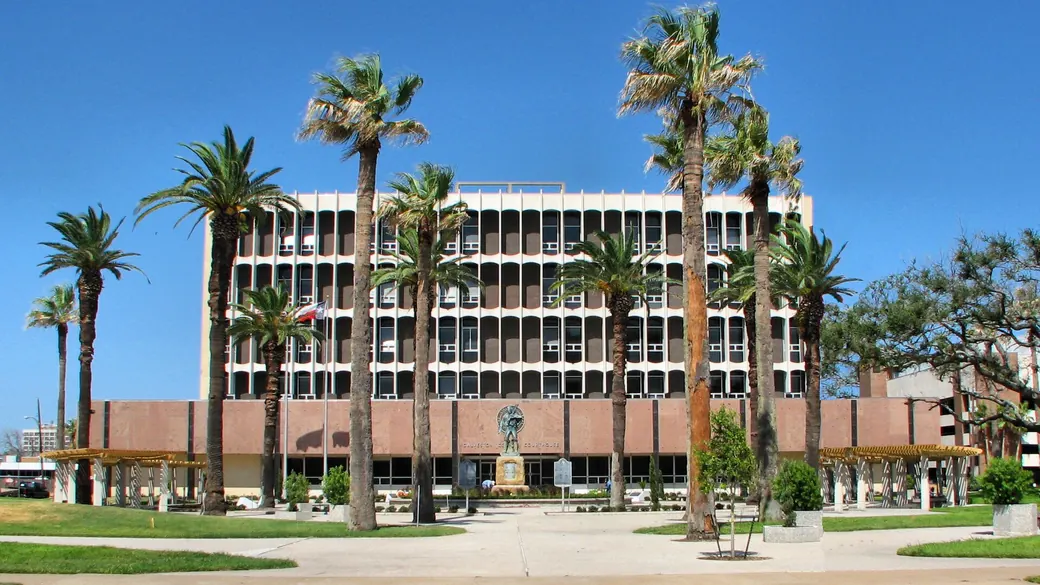
Short answer: Probate is filed where the person who died lived, not where the land is: Estates Code Section 33.001 puts venue in the decedent's Texas county of residence. When that county is Galveston, Government Code Section 25.0861 says the county has one statutory probate court, the Probate Court of Galveston County, alongside three statutory county courts. Under Estates Code Sections 32.002 and 32.005, in a county with a statutory probate court, that court has original and exclusive jurisdiction of all probate proceedings, contested or not. Section 256.003 generally bars admitting a will after the fourth anniversary of the death. A small estate affidavit passes real property only when the homestead is the only real property in the estate (Section 205.006), and an affidavit of heirship becomes evidence a court must receive after five years in the deed records (Section 203.001).
Land in Galveston County passes through families in many forms: a beach lot on the West End bought decades ago, a house lot in La Marque or Hitchcock, acreage near Santa Fe, a bay-side lot that nobody has visited since a storm. When the owner dies, the record has to catch up before anyone can sell. This guide sets out what the Texas statutes say about where the probate is filed, which court hears it in Galveston County, the time limit on wills, and the paths the Estates Code gives, with each section linked so you can read it yourself.
Step one: which county?
Probate goes where the person lived, not where the land is. Estates Code Section 33.001 places the case in the county where the person who died resided, if they had a home or fixed place of residence in Texas. If a League City resident dies, the estate is filed in Galveston County. If a Pasadena resident dies owning a lot in Crystal Beach, the estate is filed in Harris County, and the orders from that case later show who owns the Galveston County lot.
So the first fact to pin down is the person's last Texas home. If it was in Harris County, our guide to probate for land in Harris County covers that court.
Galveston County has its own probate court
This is where Galveston differs from many nearby counties. Government Code Section 25.0861 says Galveston County has three statutory county courts, County Courts No. 1, 2 and 3, and also one statutory probate court, the Probate Court of Galveston County.
That second court matters because of two Estates Code sections. Section 32.002 says that in a county with a statutory probate court, that court has original jurisdiction of probate proceedings. Section 32.005 goes further: in such a county, the statutory probate court has exclusive jurisdiction of all probate proceedings, whether they are contested or uncontested. In plain terms, a Galveston County estate is heard by the Probate Court of Galveston County, not by the county courts, which Section 25.0862 assigns civil, criminal appeal and other work.
Brazoria County, by comparison, has no separate probate court; its county courts at law also serve as its probate courts. Our guide to probate for land in Brazoria County covers that setup.
The four-year rule on wills
Estates Code Section 256.003 says a will generally may not be admitted to probate after the fourth anniversary of the testator's death, unless the person applying was not in default in failing to present it earlier. This rule often surfaces years later, when a buyer's title company asks how the land passed and the answer is a will that was never filed. Our guide on land still in a grandparent's name describes what records exist in that situation.
Three shortcuts, and where each stops
Full administration with an executor is not the only route. The Estates Code offers lighter tools, each with a hard edge:
- Muniment of title (Section 257.001). The court admits the will and its order serves as the record of who takes the property, with no executor appointed. The catch: it is available only when the estate has no unpaid debts other than ones secured by real estate liens, or the court is satisfied an administration is unnecessary. More in our muniment of title guide.
- Small estate affidavit (Section 205.006). For land, it reaches only a homestead, and only when the homestead is the single piece of real property in the estate. A Galveston beach lot owned alongside a mainland home does not qualify. Compare the two in small estate affidavit vs. probate.
- Affidavit of heirship (Section 203.001). No court is involved at first. After the sworn family statement has sat in the deed records for five years, a court has to accept it as evidence of the facts in it. Title companies decide for themselves how much weight to give a newer one. See our guide to affidavits of heirship.
The right tool turns on the facts of the estate: a will or no will, the number of heirs, any debts, and what else the person owned.
A short records checklist
- Court index: has anyone opened a case under the decedent's name, in the county of their last Texas home?
- Deed records: what is the last recorded deed, and has anything been filed since, such as a heirship affidavit or a certified court order?
- Appraisal district: whose name is on the tax account? Our guide on searching GCAD shows where to look, and that name is a tax record only.
- Tax balance: taxes keep accruing during an open estate; see who owes taxes on inherited land after a death.
Getting to a sale
Before insuring a buyer, a title company wants an unbroken record from the late owner to whoever signs the deed now. That record usually comes out of one of the routes above, or a full administration with letters testamentary, or a court's judgment declaring heirship. Every current owner then signs. Coastal buyers also check the flood zone and any storm damage, and our Galveston County page covers how we buy there.
How we handle it
When a family calls about inherited land in Galveston County, we read the deed record, the appraisal district account and the tax balance, and look at the land itself: access, flood zone and any restrictions. We tell you what we see in the record and what a title company is likely to ask for. If we make an offer, it is in writing, and a Texas title company handles the closing. You can ask about inherited land.
Common questions
- Does Galveston County have a probate court?
- Yes. Government Code Section 25.0861 says Galveston County has one statutory probate court, the Probate Court of Galveston County. It also has three statutory county courts, County Courts No. 1, 2 and 3.
- Which court hears probate in Galveston County?
- Estates Code Section 32.005 says that in a county with a statutory probate court, that court has exclusive jurisdiction of all probate proceedings, whether contested or uncontested. In Galveston County that is the Probate Court of Galveston County.
- A relative lived in Houston but owned a lot on the Bolivar Peninsula. Is the case filed in Galveston County?
- Usually not. Section 33.001 of the Estates Code ties venue to the decedent's Texas residence, so a Houston resident's estate goes to Harris County. A certified copy of the Harris County order is what later gets recorded for the Galveston County lot.
- How long does a family have to offer a will for probate?
- Four years from the death, as a general rule. Estates Code Section 256.003 bars admitting a will after the fourth anniversary of the testator's death unless the applicant was not in default for the delay.
- Does the small estate affidavit work for a beach lot or vacant land?
- Not for passing title to land other than a homestead. Under Estates Code Section 205.006, the affidavit can transfer a homestead only when that homestead is the estate's sole real property; a vacant or second lot falls outside it.
Sources
- Estates Code § 33.001 (where a probate case is filed)
- Government Code § 25.0861 (Galveston County courts, including its probate court)
- Government Code § 25.0862 (what the Galveston County courts hear)
- Estates Code § 32.002 (original probate jurisdiction)
- Estates Code § 32.005 (exclusive jurisdiction where a statutory probate court exists)
- Estates Code § 256.003 (four-year period for wills)
- Estates Code § 257.001 (muniment of title)
- Estates Code § 203.001 (heirship statements as evidence)
- Estates Code § 205.006 (homestead and the small estate affidavit)
Related articles
 Probate for Land in Fort Bend County, Texas: Courts and Records
 Probate for Land in Brazoria County, Texas: Courts and Records
 Probate for Land in Liberty County, Texas: Court and Records

Got it. Thank you. A real person will call you back.