How to Look Up Land Values on Washington CAD (Washington County)
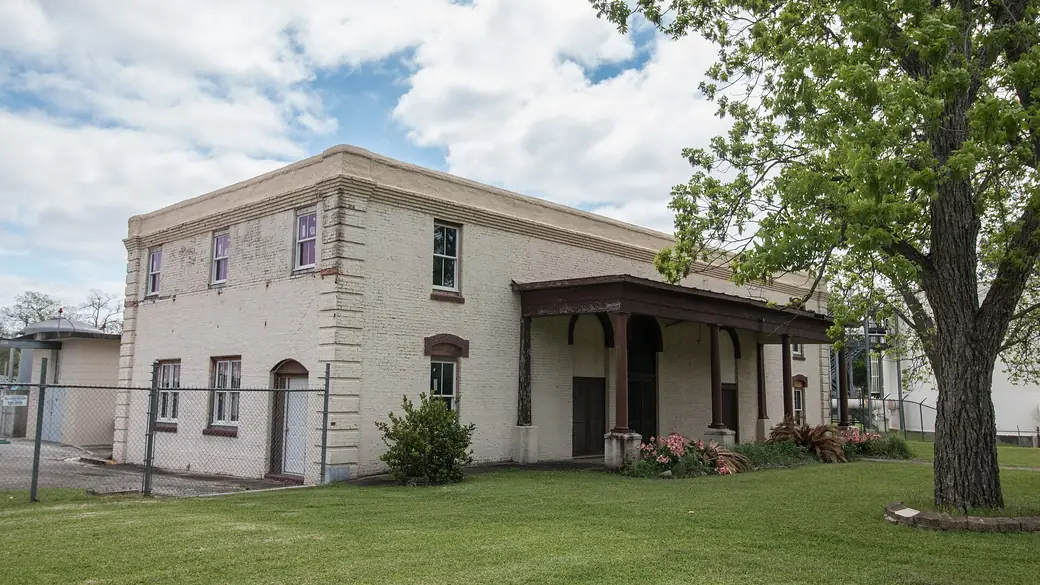
Short answer: Washington County land is appraised by the Washington County Appraisal District in Brenham, and its taxes are collected in the same building by Consolidated Tax Collections of Washington County, where the chief appraiser also serves as tax assessor-collector. Search land at esearch.washingtoncad.org or on the district's interactive map. The district's agricultural and wildlife policy, adopted February 17, 2026, lists typical stocking of 7 to 15 acres per animal unit on native pasture and 3 to 5 on improved pasture, two hay cuttings a year, and a five-of-seven-year history. It says vacant land under 5 acres is typically denied, at least 51 percent of a tract must be in ag use to qualify the whole tract, and the valuation ends when ownership changes, so a new owner must file a new application before May 1.
Washington County is rolling pasture and hay country between Houston and Austin, with Brenham as the county seat, Burton to the west and a long run of small ranches in between. Its appraisal district does two things most Texas districts do not put under one roof: it appraises the land, and the same building houses the office that collects the taxes. It also adopted a new, detailed agricultural and wildlife policy in February 2026. This guide covers the search, who to pay, what that policy says, and what it means when you sell.
Find the tract
The district's property search is at esearch.washingtoncad.org, and its interactive map is at gis.bisclient.com/washingtoncad. The map is the easiest way to find pasture or timber with no street address. A few tips:
- Search by the owner's name as it appears on the deed, or by the property ID from a tax statement. If a full name finds nothing, try the last name alone.
- Many rural tracts in the county have no situs address. Use the map, then copy the property ID into the search.
- The district's open records page offers the appraisal roll and GIS parcel data for download. Its disclaimer says the map data is not an on-the-ground survey and shows only the approximate location of property lines.
Read the account for the owner, legal description, acreage and value lines. The acreage is the district's figure; in a sale, the deed or a new survey settles it.
Who sends the bill
The district's tax FAQ says all taxes for Washington County taxing entities are collected by Consolidated Tax Collections of Washington County, located in the appraisal district's building in Brenham, and that the chief appraiser is also appointed to serve as its tax assessor-collector. Checks are made payable to that office. The district's taxing units page lists who levies taxes: Washington County and its farm-to-market road fund, the cities of Brenham and Burton, Blinn College, Brenham, Burton and Giddings school districts, a water district and a road district.
The same FAQ says most bills are mailed around October 1, taxes are typically due by January 31, and penalty and interest start on February 1. Not receiving a bill does not change the tax. For the proposed rates and an estimate for each property, the district points to washington.countytaxrates.com. Our guide on looking up the taxes owed covers what to ask for.
The 2026 agricultural and wildlife policy
The district's policy, adopted February 17, 2026, lays out four tests for open-space (1-d-1) valuation: the land must be devoted currently and principally to agriculture, pass a degree-of-intensity test, and pass a time test of five of the past seven years. It says at least 51 percent of a property must be in agricultural use to qualify the whole tract; otherwise only the acres in use get ag value. Among its typical standards:
- Livestock: 7 to 15 acres per animal unit on native pasture, 3 to 5 on improved pasture. A cow with calf or a bull is one animal unit; so are two young cattle, four calves under a year, one mature horse, seven sheep or seven goats.
- Hay: at least two cuttings a year, with weeds, vines and brush controlled. Mowing to clear grass or weeds does not count.
- Orchards and vineyards: at least 17 native pecan trees, 35 improved pecan trees, 100 fruit trees or 100 vines per acre.
- Bees: 5 to 20 acres, from 6 active hives on 5 acres up to 12 on 20 acres.
- Wildlife management: the land must have been under ag valuation the year before, with a Texas Parks and Wildlife plan and at least three of seven practices. A tract reduced in size from the year before needs at least 16.7 acres, or 11 acres inside a wildlife management property association.
Small tracts face a high bar. The policy says most properties under 5 acres with a residence are considered residential, and vacant land under 5 acres usually cannot meet the intensity standards and is typically denied, though the chief appraiser may make exceptions for land used together with other ag land. It also lists uses that do not qualify, including raising animals only for FFA or 4-H projects, keeping horses for recreation, and raising exotic game only for hunting.
What the policy means when you sell
Two points matter most for a seller and a buyer:
- The ag valuation does not transfer. The policy says it is granted to a specific legal ownership and ends automatically with any change in ownership. The new owner must file a timely application, and the district is not required to send one. The deadline is before May 1, with up to 60 more days only for good cause requested before the deadline. The five-year history can be confirmed from aerial imagery or the prior owner's valuation.
- A change of use can bring a rollback. Ending agricultural use, or turning land to commercial use or a subdivision, can trigger a rollback tax on the part that changed. The district sends written notice, and the owner has 30 days to protest. Using the land less intensively by choice can cost the valuation without a rollback, as long as it stays in agricultural use.
Our article on rollback taxes on ag land explains how buyers and sellers usually handle this in the contract, and our guide to grazing leases covers keeping the land in use while it is for sale. For the gap between the district's value and a real price, see appraisal value versus sale price.
Protesting the value
The district takes online protests through its portal. Its protest page says you need the eFile PIN printed at the top right of your Notice of Appraised Value, and you set up a portal account first. For land, bring sales of nearby tracts, photos of access or drainage problems, and a survey if the acreage is wrong. Our guide on protesting a land value has the statewide deadline and a checklist.
The office is in Brenham, open 8 a.m. to 4:30 p.m. Monday to Friday. The phone number is (979) 277-3740.
How we use it
With a Washington County tract, we read the account for the owner, acreage, productivity value and the use behind it, and compare that use with the district's 2026 standards so a buyer knows what to file. We look at road access, flood maps along the Brazos and its creeks, and nearby sales. See how we buy in the county on our Washington County page, and if you own land across the line, our Fayette CAD guide covers a district next door.
Common questions
- How do I look up land in Washington County, Texas?
- Use esearch.washingtoncad.org, the Washington County Appraisal District's property search, or its interactive map at gis.bisclient.com/washingtoncad. The district also has an online portal at portal.washingtoncad.org for accounts and protests.
- Who collects property taxes in Washington County?
- The district's tax FAQ says all taxes for Washington County taxing entities are collected by Consolidated Tax Collections of Washington County, located in the appraisal district's building in Brenham. The chief appraiser is also appointed as its tax assessor-collector.
- How many acres per cow does Washington CAD expect?
- Its 2026 agricultural policy lists typical stocking of 7 to 15 acres per animal unit on native pasture and 3 to 5 acres on improved pasture. A cow with calf counts as one animal unit; seven sheep or seven goats also count as one.
- Does the ag valuation carry over when land is sold in Washington County?
- No. The policy says the valuation is granted to a specific legal ownership and ends automatically with any change in ownership. The new owner must file a timely application; the district does not have to send one. The deadline is before May 1.
- Can a small tract qualify for ag value in Washington County?
- Rarely. The policy says most properties under 5 acres with a residence are treated as residential, and vacant land under 5 acres usually cannot meet the intensity standards and is typically denied, though the chief appraiser may make exceptions for land used with other ag land.
Sources
- Washington CAD home page
- Washington CAD property search
- Washington CAD interactive map
- Washington CAD: Agricultural and Wildlife Policy, adopted 2026 (PDF)
- Washington CAD: Paying your property taxes (PDF)
- Washington CAD: Taxing Units
- Washington CAD: Frequently Asked Questions
- Washington CAD: Open Records and GIS data
- Washington CAD: File an Online Protest
- Washington County property tax rates and estimates
Related articles
 How to Look Up Land Values on Fayette CAD (Fayette County)
 How to Look Up Land Values on Trinity CAD (Trinity County)
 How to Look Up Land Values on Colorado CAD (Colorado County)

Got it. Thank you. A real person will call you back.